

0-1 نقطة
أدلة غير كافية؛ غير واضحة أو غير ذات صلة أو غير موثوقة
Healthcare Laboratory Innovation Hackathon
A national innovation challenge developing transformative solutions for laboratory systems, infrastructure, and advanced diagnostics within the healthcare ecosystem.
Labathon 2026 is a national innovation challenge aimed at developing transformative solutions for laboratory systems, infrastructure, and advanced diagnostics within the healthcare ecosystem.
The hackathon brings together multidisciplinary teams — developers, data scientists, healthcare professionals, engineers, and innovation specialists — to address real-world laboratory challenges and prototype scalable digital and operational solutions.
Participants will work across two challenge tracks designed around key priorities in modern laboratory systems.
Pre-hackathon workshops are delivered in partnership with Saudi NIH.

.png)

LABATHON 2026 invites participants to address real challenges across healthcare laboratory services and explore innovative solutions that can improve laboratory performance, advance laboratory medicine, and create greater value for patients and healthcare systems.Each track presents a set of key challenge areas reflecting current and emerging laboratory needs. Each challenge is supported by a focused How Might We question to help participants explore the problem, identify opportunities, and develop relevant, practical, and impactful solutions.
Reliable laboratory services depend on efficient workflows, connected systems, available resources, skilled teams, and well-managed equipment.This track focuses on opportunities to improve the day-to-day operation of healthcare laboratories — from information flow and laboratory workflows to technical operations, inventory, workforce, equipment, and overall laboratory performance.Solutions may address any part of laboratory operations where better processes, smarter management, improved coordination, or new approaches can enhance efficiency, safety, reliability, and service continuity.
Laboratory Information Systems are essential to daily operations, including test ordering, sample tracking, result validation, reporting, and communication with clinical teams. When system problems are detected late, laboratories may experience downtime, testing delays, manual workarounds, reporting interruptions, and disruption to patient services. This challenge focuses on improving the ability of laboratories to monitor system performance, recognize early warning signs, anticipate disruptions, and maintain continuity of laboratory services.
Laboratory information moves across multiple systems, including instruments, Laboratory Information Systems, Electronic Medical Records, referral platforms, hospital systems, and external laboratory networks. Poor integration can result in duplicated work, manual data entry, delayed reporting, incomplete information, communication gaps, and increased risk of errors. This challenge focuses on improving the flow, accuracy, interoperability, accessibility, and usability of laboratory information across the systems involved in laboratory service delivery.
Laboratory teams need timely visibility into operational performance, including turnaround time, workload, critical values, bottlenecks, pending tests, capacity, and workflow efficiency. When operational information is delayed, fragmented, or difficult to interpret, teams may struggle to identify problems early, allocate resources effectively, or prioritize improvement opportunities. This challenge focuses on improving how laboratories understand, monitor, and optimize their workflows and operational performance.
Laboratory professionals regularly encounter instrument, system, technical, and workflow issues that require troubleshooting, technical knowledge, coordination, and escalation. Support knowledge may be distributed across manuals, service histories, local expertise, vendors, IT teams, biomedical engineering teams, and laboratory technical staff. This challenge focuses on improving how technical knowledge is captured, accessed, shared, and used to resolve recurring issues, reduce downtime, and maintain laboratory service continuity.
Laboratory services depend on the continuous availability of reagents, consumables, controls, calibrators, and other critical materials. Shortages, overstocking, expired items, procurement delays, variable demand, and limited inventory visibility can interrupt testing services, increase waste, and raise operational costs. This challenge focuses on improving how laboratories anticipate demand, manage inventory, coordinate supply, reduce waste, and maintain continuity of laboratory services.
Laboratory workload changes across shifts, specialties, seasons, emergencies, outbreaks, service expansions, and changing hospital demand. When staffing, skills, capacity, and workload distribution are not aligned with actual service needs, laboratories may experience delays, staff overload, burnout, quality risks, and inefficient use of expertise. This challenge focuses on improving how laboratories plan workforce capacity, distribute workload, use specialized skills, and respond to changing demand.
Laboratory equipment is critical to service continuity, test accuracy, quality, and operational performance. Equipment downtime, delayed maintenance, calibration issues, aging assets, underutilization, and limited visibility into equipment performance can affect testing capacity, service availability, and cost efficiency. This challenge focuses on improving how laboratories monitor equipment, anticipate maintenance needs, optimize utilization, manage assets, and make informed lifecycle decisions.
Advances in laboratory medicine are creating new opportunities for earlier diagnosis, more precise clinical decisions, innovative treatments, specialized services, and scientific discovery.This track focuses on opportunities to advance laboratory science and translate laboratory capabilities into meaningful research and clinical impact — from developing and adopting advanced diagnostics to supporting treatment, clinical decision-making, research translation, referrals, and access to specialized laboratory services.Solutions may address scientific, clinical, research, or service challenges that improve the way laboratory knowledge and capabilities contribute to better healthcare and patient outcomes.
Advanced and specialized laboratory investigations can generate complex information that requires careful interpretation and connection to clinical context. In areas such as molecular diagnostics, genetics, pathology, microbiology, biomarkers, and other specialized laboratory services, delayed, inconsistent, or difficult-to-interpret findings may affect diagnosis, treatment decisions, research applications, and patient outcomes. This challenge focuses on improving how complex diagnostic information is interpreted, communicated, and translated into meaningful clinical insight.
Healthcare systems increasingly require new and advanced diagnostic approaches to support earlier disease detection, precision medicine, complex disease management, and more personalized clinical decisions. Introducing a novel diagnostic procedure may be limited by validation requirements, scientific evidence, workflow readiness, cost, infrastructure, clinical awareness, data interpretation, and integration into existing laboratory services. This challenge focuses on improving how new diagnostic procedures are identified, developed, validated, adopted, and translated into meaningful clinical use.
Some laboratory-based services go beyond diagnosis and directly contribute to treatment and patient management. These may include transfusion medicine, blood banking, stem cell processing, cellular therapies, apheresis, tissue-related services, and other specialized therapeutic laboratory procedures. Such services often require complex workflows, strict quality and safety controls, specialized expertise, traceability, advanced infrastructure, and close coordination between laboratory and clinical teams. This challenge focuses on improving how therapeutic laboratory procedures are developed, accessed, standardized, monitored, and integrated into patient care.
Advanced and specialized laboratory tests may require referral to another laboratory, hospital, regional center, or external reference laboratory. These pathways may involve unclear requirements, manual coordination, sample transport challenges, limited tracking, delayed communication, uncertainty about turnaround time, and difficulties identifying the appropriate testing destination. This challenge focuses on improving the complete referral journey from test selection and request through sample transfer, processing, and result reporting.
Clinicians may need to choose from a growing range of routine, advanced, specialized, and emerging laboratory investigations. Inappropriate test selection, duplicated requests, missed indications, limited awareness of available tests, or insufficient interpretation support can delay diagnosis, increase cost, and reduce the clinical value of laboratory services. This challenge focuses on improving how clinicians select, request, interpret, and use laboratory investigations according to patient need and clinical context.
Advanced laboratory capabilities may be distributed across different hospitals, institutions, regions, research centers, and reference laboratories. Without effective coordination, healthcare systems may experience duplicated capacity, underused resources, unclear referral routes, variable turnaround times, limited access to specialized expertise, and unnecessary dependency on external laboratories. This challenge focuses on improving how specialized laboratory capabilities, expertise, infrastructure, and capacity are connected and coordinated across the healthcare system.
Laboratory research generates new knowledge, biomarkers, methods, technologies, and scientific insights with the potential to improve healthcare. However, promising laboratory discoveries may face barriers when moving from research into validation, clinical application, service development, commercialization, or wider healthcare adoption. This challenge focuses on strengthening the translation of laboratory research into meaningful scientific, clinical, diagnostic, or therapeutic value.
A distinguished line-up of workshop leaders and speakers from laboratory medicine, research, and healthcare innovation.
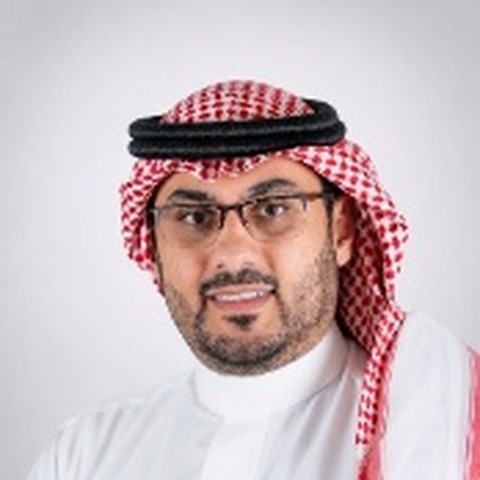
Assistant Professor, Dental Health Department, College of Applied Medical Sciences, King Saud University
Director, Medical Technology Innovation Unit — Innovation Center, Entrepreneurship Institute
Healthcare Innovation: From Need to Impact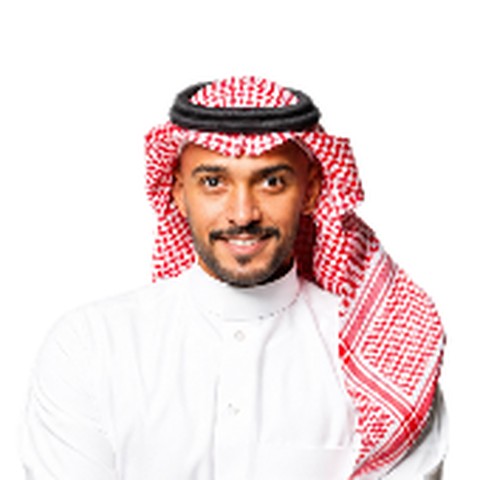
Artificial Intelligence & Emerging Technologies Advisor
Digital transformation, AI adoption and innovation management
Building AI Solutions for HealthcareInnovation Expert
Saudi National Institute of Health
Problem Framing: From Challenges to Clear Innovation Opportunities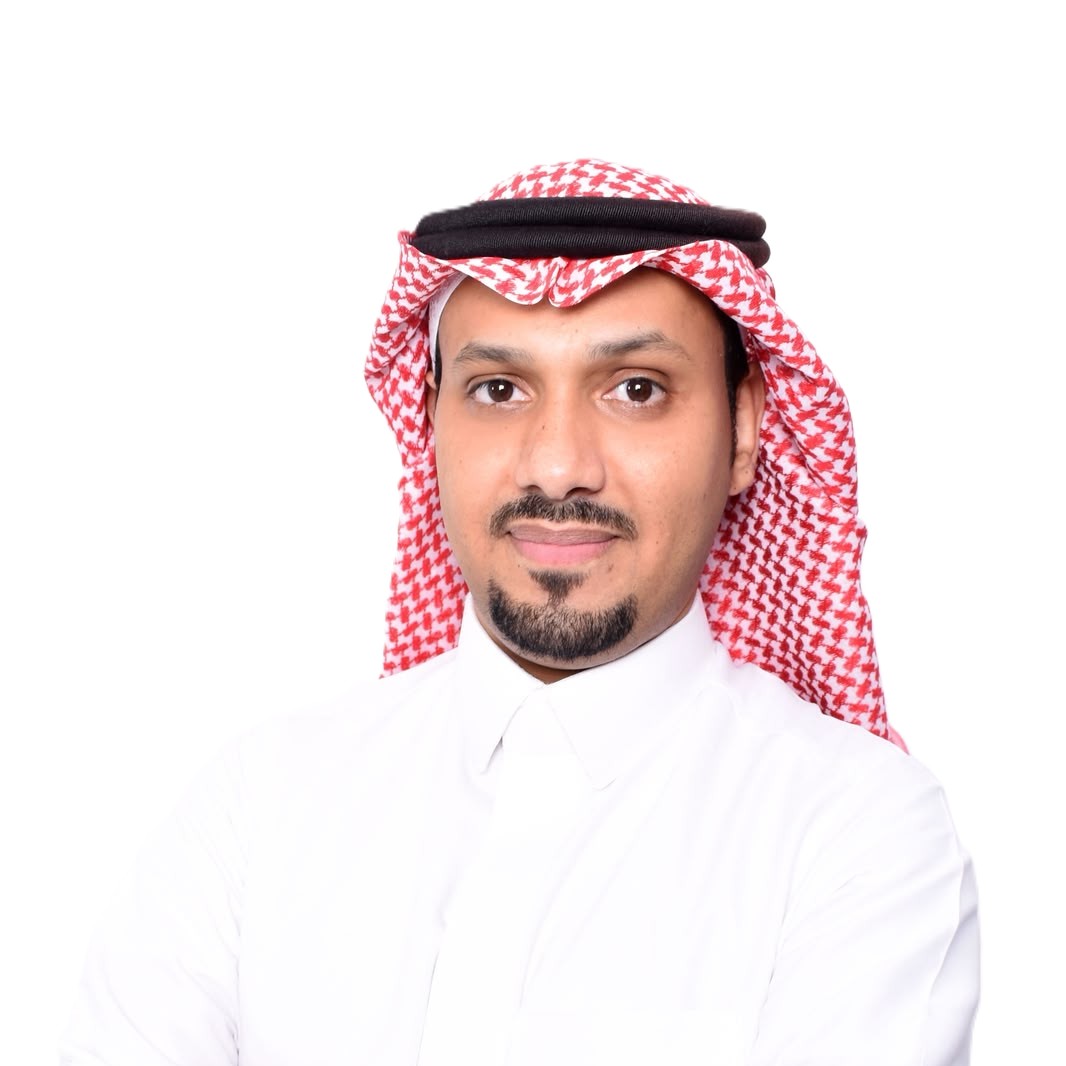
Senior Medical Laboratory Specialist — Hematology & Transfusion Medicine
Co-founder, Baheth Health Research Association
Inside the Clinical Laboratory: Workflow and Daily Challenges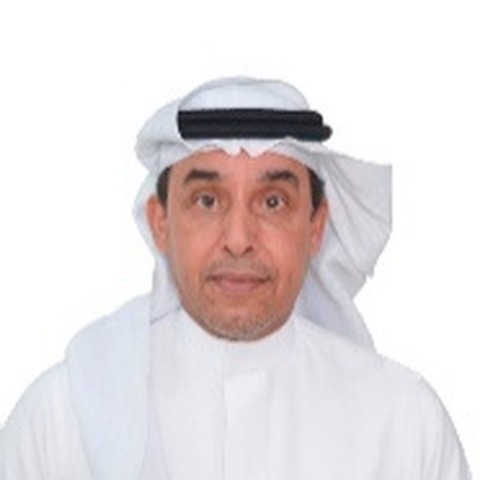
Consultant, Medical and Molecular Virology
Vice President, Saudi Society for Clinical Laboratory Sciences
Inside the Clinical Laboratory: Workflow and Daily Challenges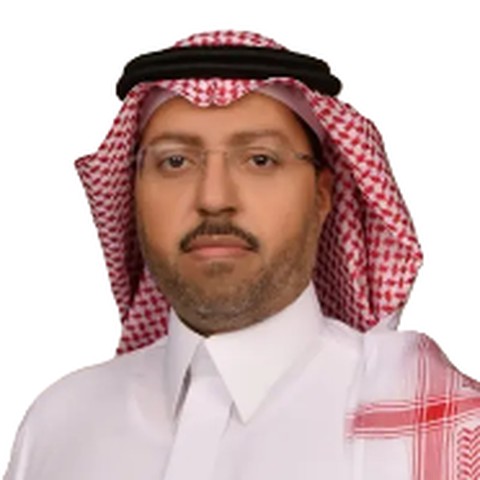
Founder & President, Saudi Innovation Club
Innovation consultant — Small and Medium Enterprises General Authority
Tools Introduction
Chief Innovation Officer · Innovation Consultant and Trainer
PhD candidate in Biochemistry · Clinical Biochemistry Laboratory Specialist
Innovation Under Pressure – How to Win Labathon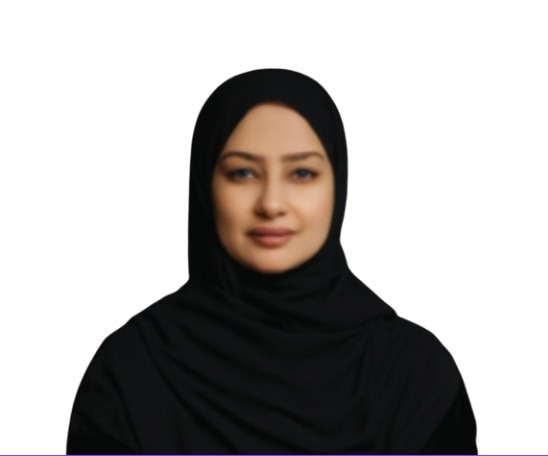
Consultant ، Assistant Professor of Clinical Microbiology, King Saud University
Vice Dean of PSCEMS, Prince Sultan bin Abdulaziz College for Emergency Medical Services
Introduction to the Labathon Challenges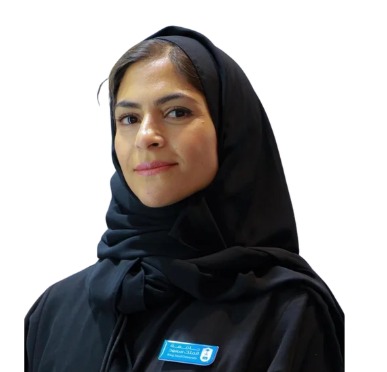
Consultant, Molecular Genetics. Assistant Professor of Cancer and Genomic Sciences/Haematology, King Saud University (KSU). Head of the Department of Cells and Tissues at the KSU Central Research Laboratory (CRL).
Judging Criteria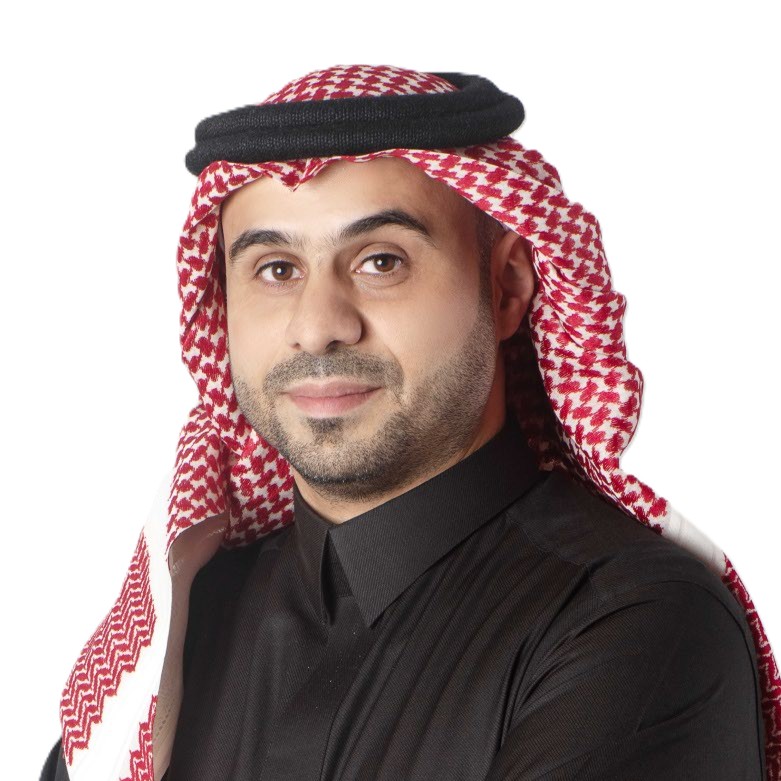
Ibrahim Abdullah Al-Asiri is the Deputy General Director of the Innovation Center and a Certified Chief Innovation Officer (CCInO)®. He specializes in health innovation, design thinking, rapid prototyping, MVP development, and supporting innovators in transforming ideas into practical healthcare solutions.
Labathon brings together multidisciplinary teams to address real-world laboratory challenges and prototype scalable digital and operational solutions.
Eleven stages take every team from the first announcement to the closing ceremony and beyond.
Review the official criteria and registration guidelines to join the challenge.
Register your team and take on one of two national laboratory innovation challenges.
Register NowThe committee overseeing the scientific direction of Labathon 2026

Consultant Clinical Genetics Scientist & Healthcare Executive — Health Holding Company
Over 20 years of experience in laboratory medicine, clinical genomics, and molecular diagnostics.
Committee Chair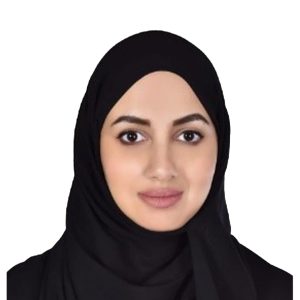
Professor, College of Applied Medical Sciences — King Saud University, Central Research Laboratory
Supervisor of the Central Research Laboratory at the University City for Female Students.
Vice Chair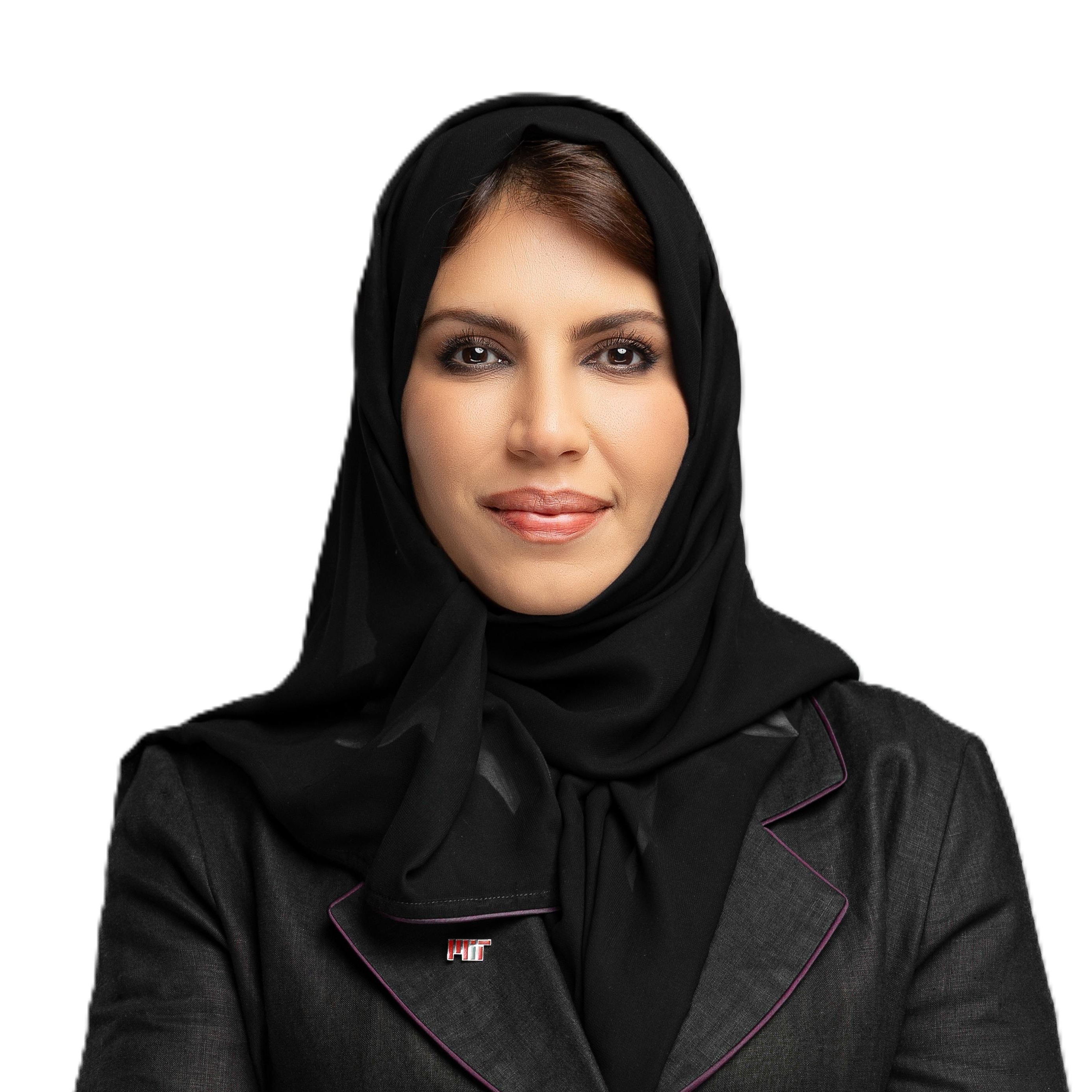
Saudi National Institute of Health
Committee Member
Chairman, Saudi Innovation Club
More than 26 years of experience in information technology and business development, with broad experience managing digital platforms and innovative solutions — he has supervised 12 government digital platforms and delivered over 300 consulting hours in innovation and entrepreneurship. MBA, Open University Malaysia; BSc in Computer Science, King Saud University.
Committee Member
Consultant ، Assistant Professor of Clinical Microbiology — King Saud University
Vice Dean of PSCEMS, Prince Sultan bin Abdulaziz College for Emergency Medical Services, KSU.
Committee Member
Innovation Leader and Specialist — King Saud University
Over 10 years of experience across healthcare, research, and academia: designing innovation programs and initiatives, Design Thinking, ideation and solution evaluation tools, capacity building, and partnerships. Internationally certified in innovation leadership, management and assessment, and artificial intelligence, with experience mentoring and judging hackathons.
Committee Member
Innovation Manager — Saudi National Institute of Health
Works at the intersection of innovation, strategy, and ecosystem development, contributing to strengthening the health innovation ecosystem, supporting innovators and researchers, and developing partnerships that bridge the gap in the health innovation value chain.
Committee MemberInnovation Expert — Saudi National Institute of Health
Master’s degree in Innovation and Technology Management, specialising in corporate innovation, open innovation, and product management. Experienced in building innovation ecosystems, developing idea management systems, and supporting intellectual property, investment, and projects from idea to impact.
Committee MemberMinistry of Health
Committee MemberClinical Laboratory Specialist — Health Holding Company
Passionate about scientific research and innovation, with experience in project management and leading comprehensive projects in clinical laboratories, in addition to participating in research projects and scientific conferences.
Committee MemberInnovation Specialist and Industrial Product Designer — Saudi National Institute of Health
Experience in product development, design thinking, and prototyping. Skilled in translating user needs into practical concepts and tangible solutions.
Committee Member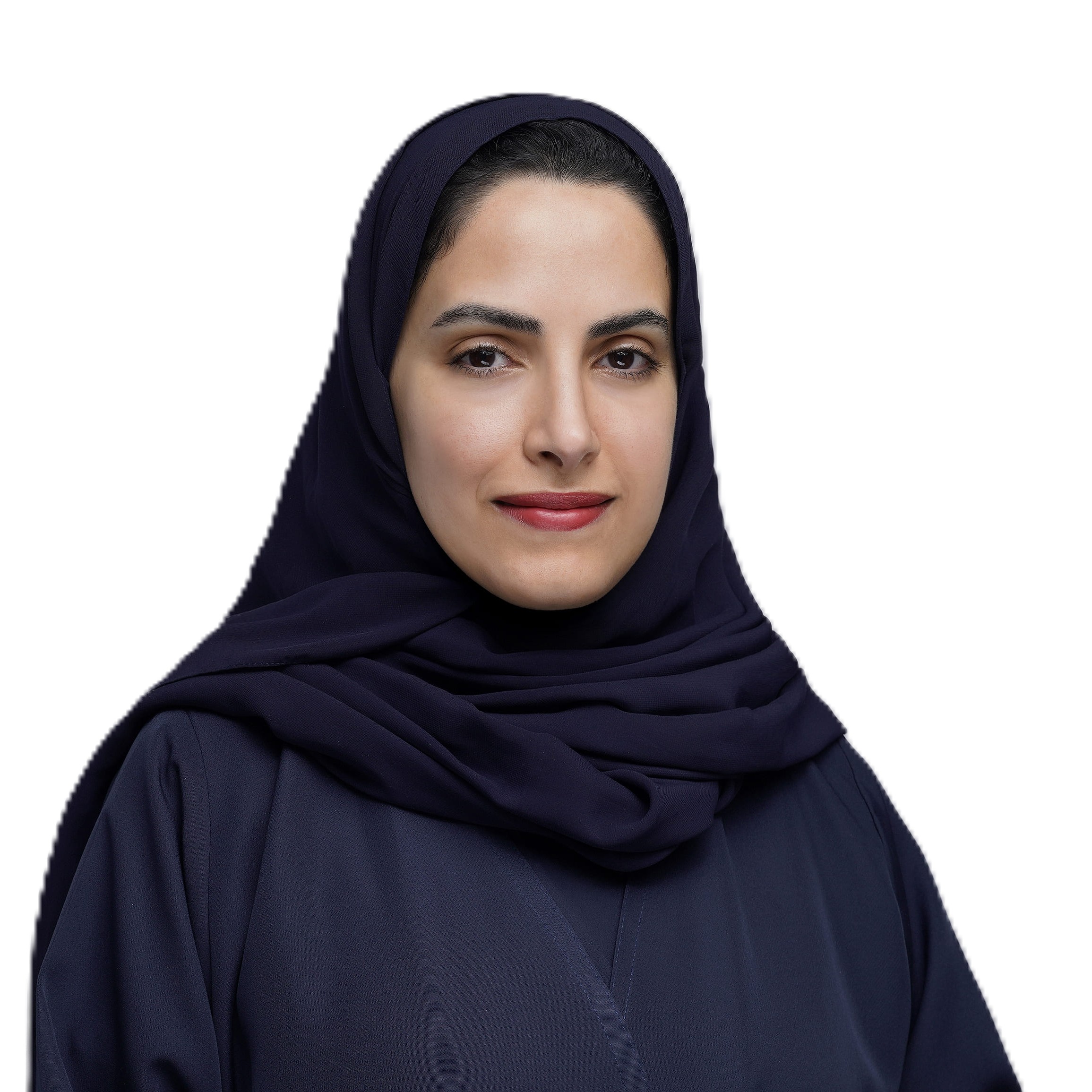
Innovation Governance Manager — Saudi National Institute of Health
Over ten years of experience across Saudi Arabia’s healthcare and public sectors, covering innovation strategy and management, governance framework development, project management, stakeholder engagement, and research and analysis. She has led cross-functional initiatives and contributed to the management of open innovation platforms.
Committee Member
Consultant, Molecular Genetics · Assistant Professor of Cancer and Genomic Sciences — King Saud University, Central Research Laboratory
Head of the Department of Cells and Tissues at the KSU Central Research Laboratory (CRL).
Committee MemberSenior Secretary, Office of the Supervisor — King Saud University, Central Research Laboratory
Committee MemberDeputy Head, Tissue and Cells Unit — King Saud University, Central Research Laboratory
Committee MemberSenior Social Work Specialist Practitioner — King Saud University, Central Research Laboratory
Committee MemberMedical Laboratory Technician — King Saud University, Central Research Laboratory
Committee MemberPracticing Scientific Laboratory Specialist — King Saud University, Central Research Laboratory
Media Coverage & Communications Specialist at the Central Research Laboratory.
Committee MemberSenior Laboratory Technician Practitioner — King Saud University, Central Research Laboratory
Committee MemberResearcher — King Saud University, Central Research Laboratory
Committee MemberTwo online pre-labathon webinar days, followed by three onsite labthon days at Fairmont Riyadh.
The challenge briefing and judging criteria session takes place on Day 1.
يُقيَّم كل عنصر من عناصر التقييم بدرجة من 1 إلى 5 نقاط. يستند تقييم المحكّمين إلى الأدلة المقدَّمة في العرض والنموذج الأولي وبنية الحل وجلسة الأسئلة والأجوبة، والادعاءات غير المدعومة بالأدلة لا تحصل على درجات مرتفعة. الحد الأقصى للدرجة الإجمالية هو 30 نقطة.
Experienced mentors support teams through problem discovery, ideation, prototyping, and pitch refinement across all hackathon days.
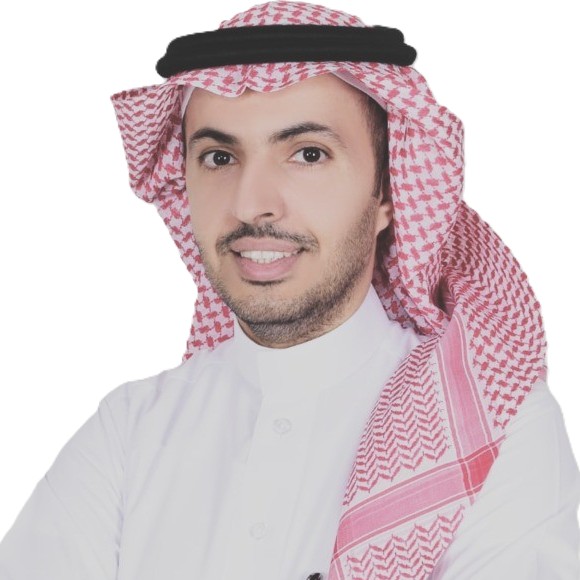
Assistant Professor — Consultant Medical Laboratories (Microbiology)
King Saud University
MentorAssistant Professor, College of Law and Political Science · Director, Intellectual Property and Technology Licensing Program, Entrepreneurship Institute
King Saud University
MentorInnovation and Talent Development Program Manager
Saudi Innovation Club
MentorMember, Saudi Innovation Club
Saudi Innovation Club
Mentor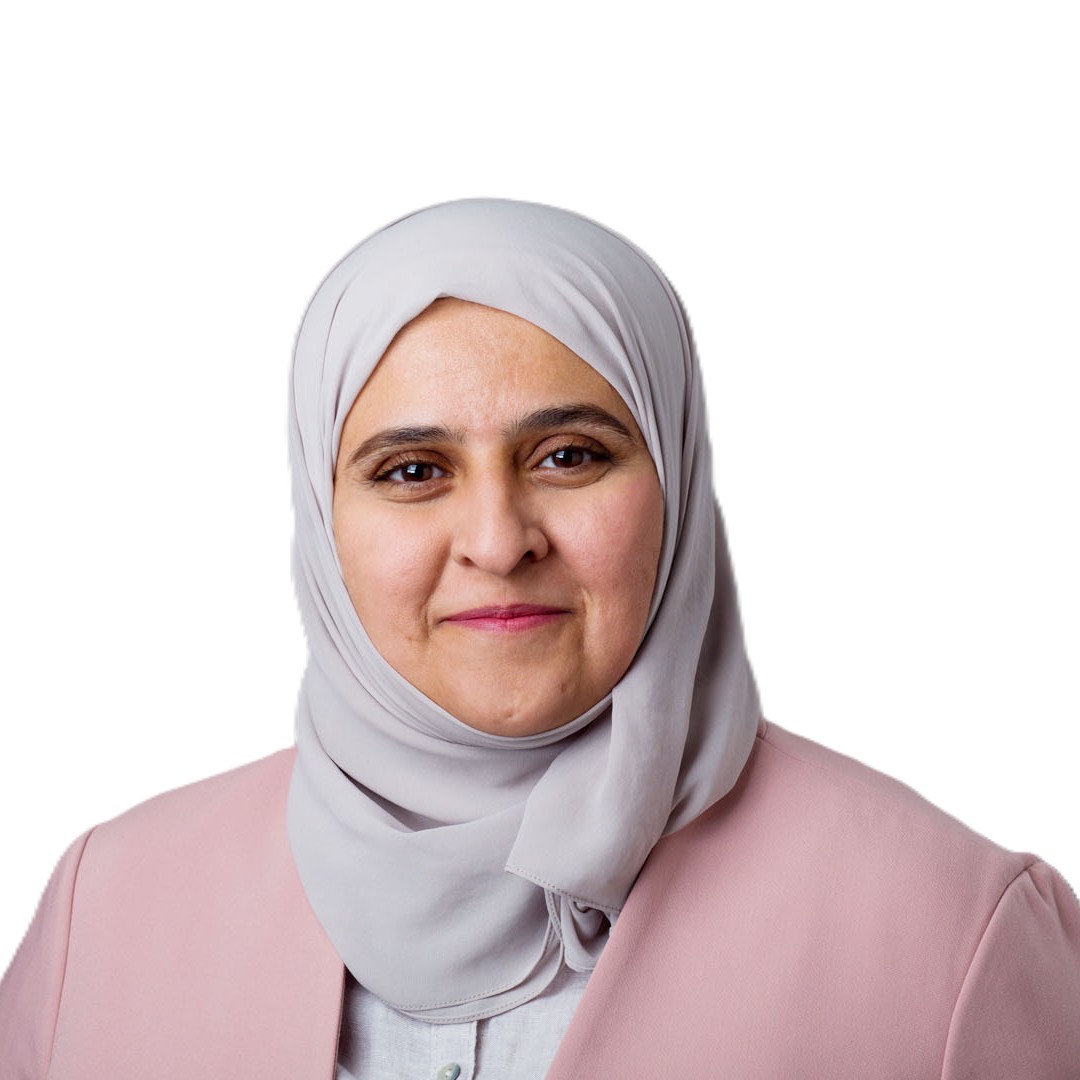
Assistant Professor
King Saud University
Mentor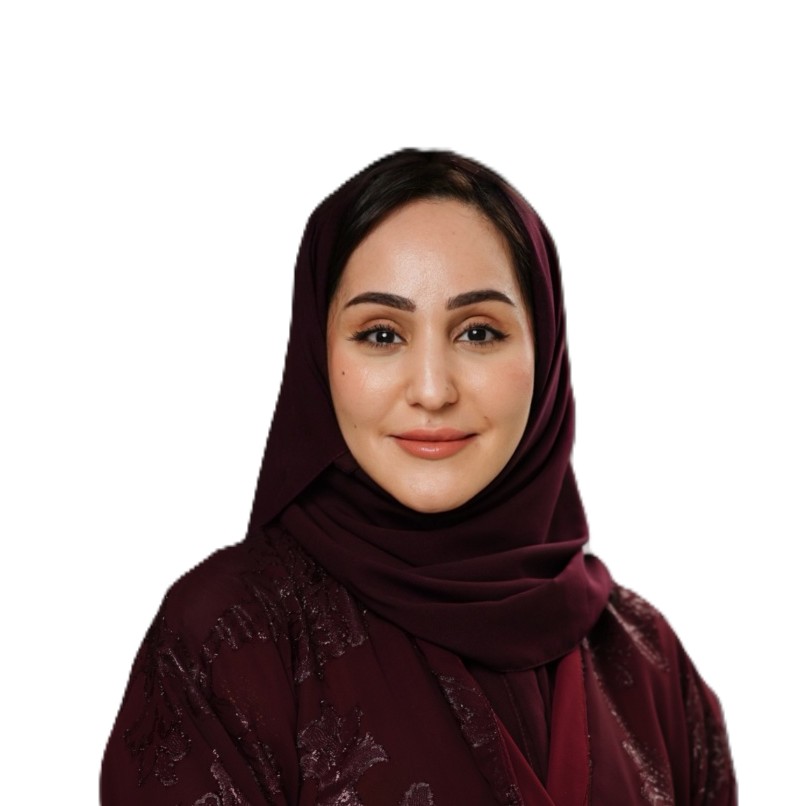
Assistant Professor
King Saud University
Mentor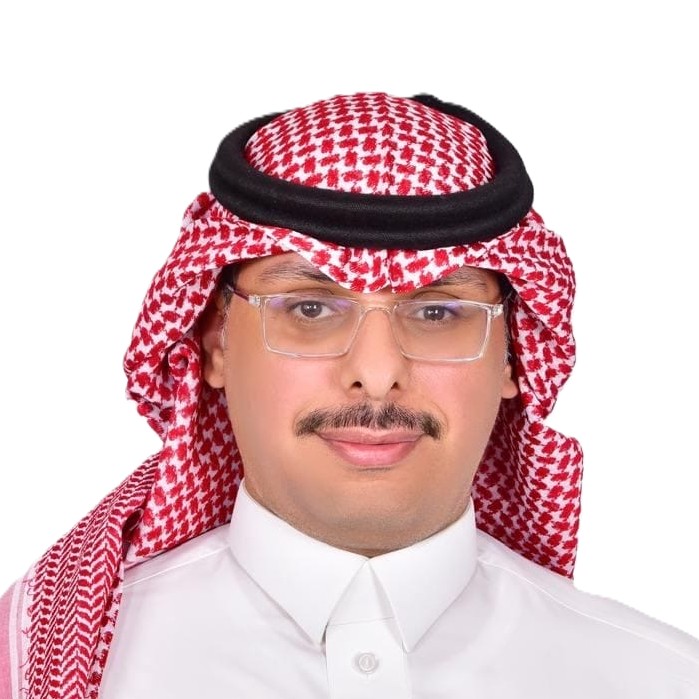
Senior Laboratory Specialist
Ministry of Health
Mentor
Senior Laboratory Specialist
Ministry of Health
MentorInnovation Expert
National Institute for Health Research
Mentor
Assistant Professor
King Saud University
MentorLaboratory Specialist / Researcher
King Saud University
Mentor
Innovation Manager
National Institute for Health Research
MentorProfessor
King Saud University
Mentor
Professor and Consultant in Medical and Molecular Microbiology
King Saud University
MentorSenior Technology Licensing
National Institute for Health Research
MentorInnovation Specialist
National Institute for Health Research
Mentor
Chief Innovation Officer (CInO) & Innovation Consultant
King Saud University
Mentor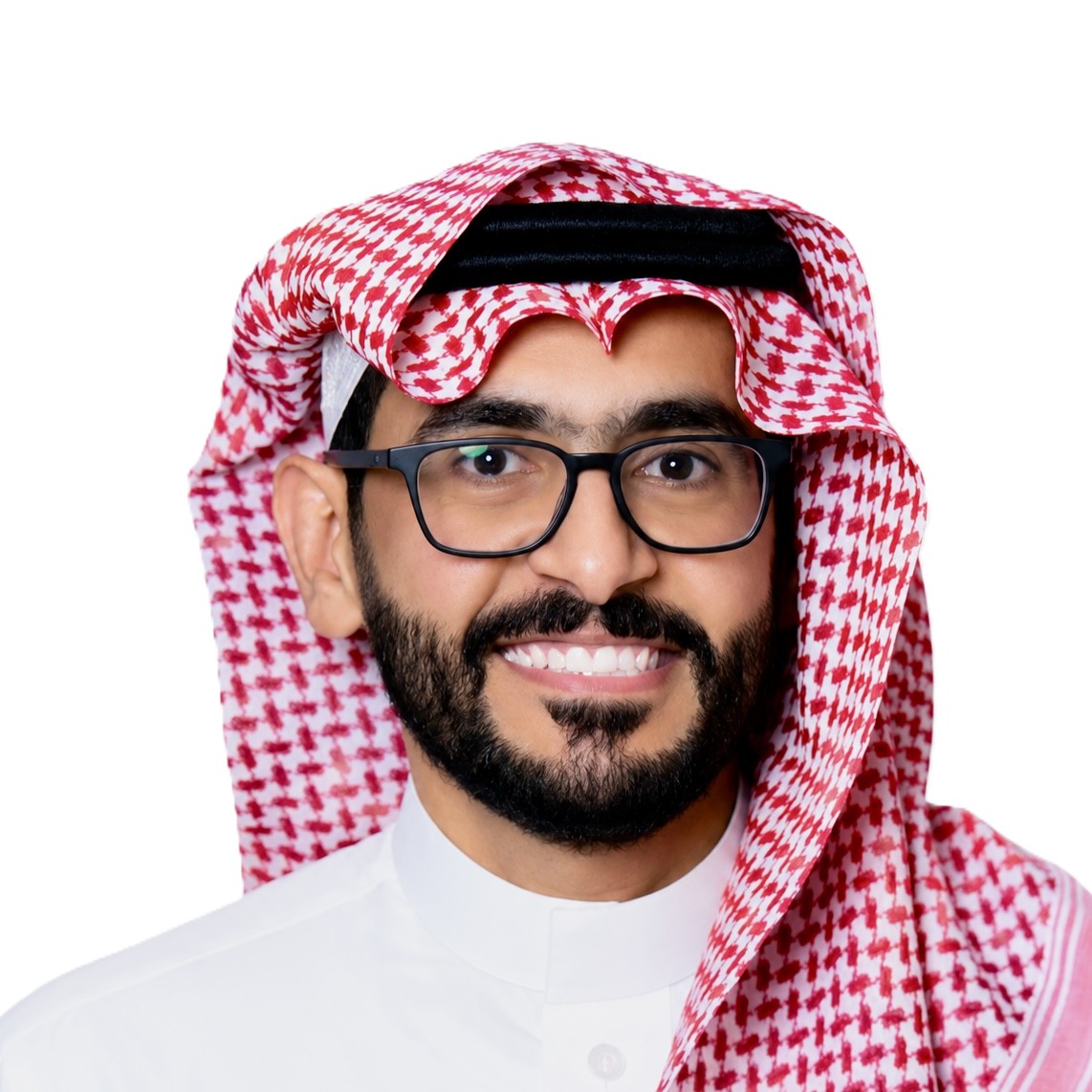
Assistant Professor & Consultant
King Saud University
Mentor
Assistant Professor and Consultant in Oral and Maxillofacial Pathology
King Saud University
MentorAssociate Professor · Head of Unit and AI Lab Director
King Saud University
MentorFinal presentations are evaluated by an expert judging panel on Day 3. The panel will be announced soon.
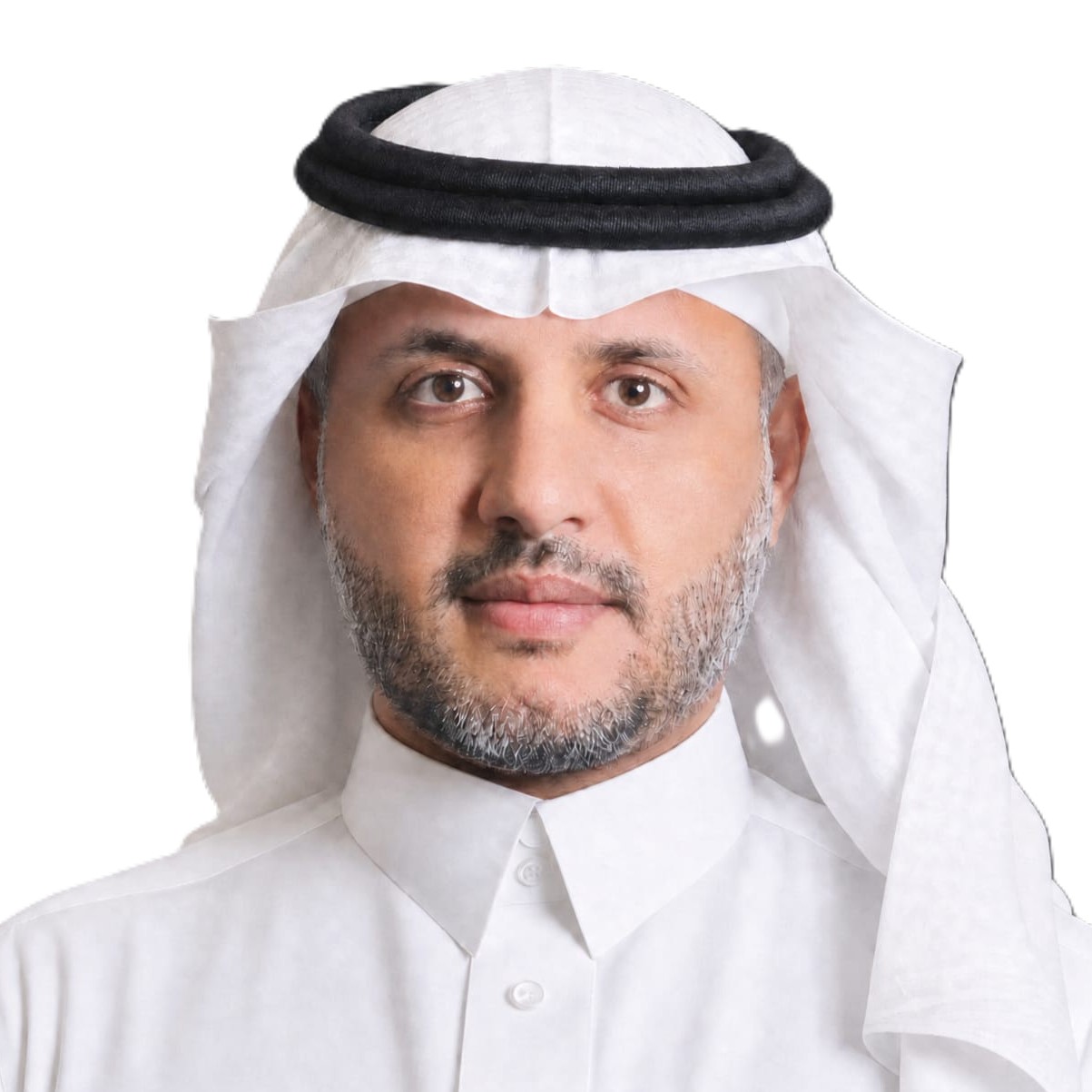
Consultant Clinical Scientist
Ministry of Health
Judge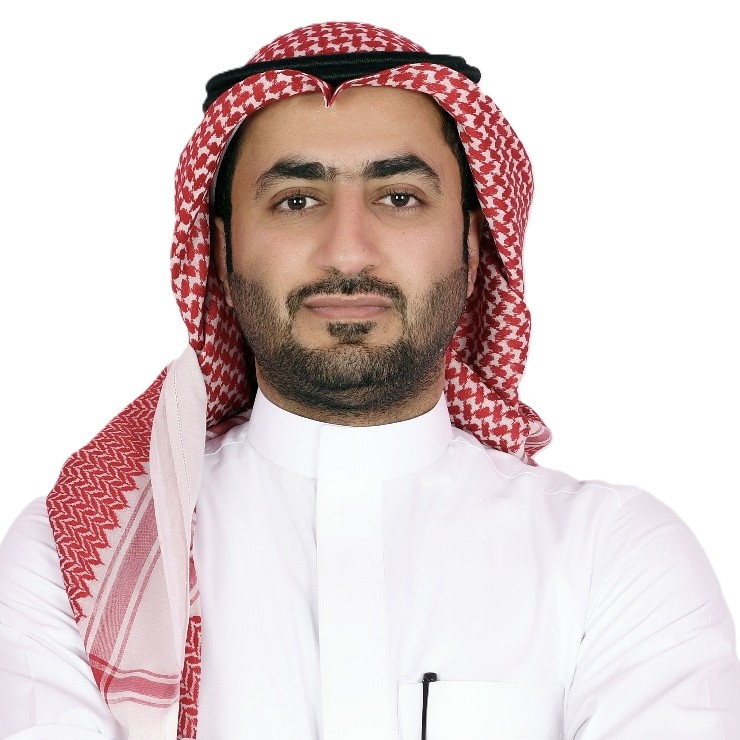
Assistant Professor — Head of the Biomedical Technology Department
King Saud University
Judge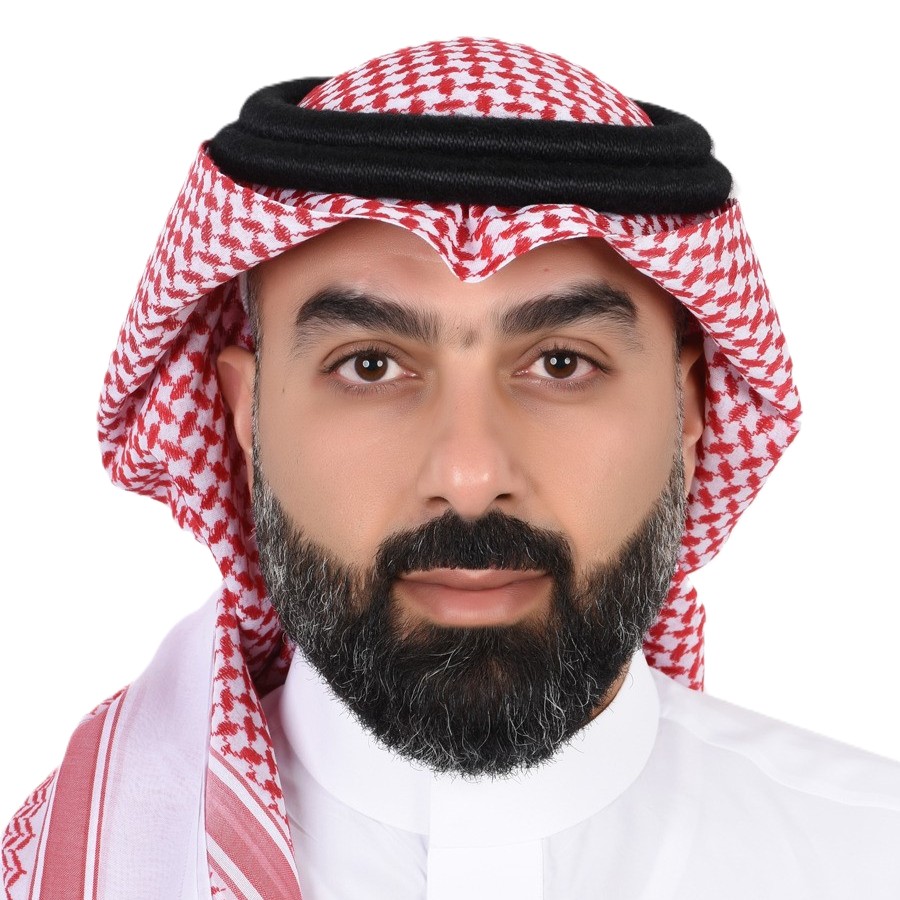
Member, Saudi Innovation Club
Saudi Innovation Club
Judge
Consultant & Assistant Professor of Clinical Microbiology
King Saud University
Judge
Innovation Director
National Institute for Health Research
Judge
CAIO at King Saud University
Judge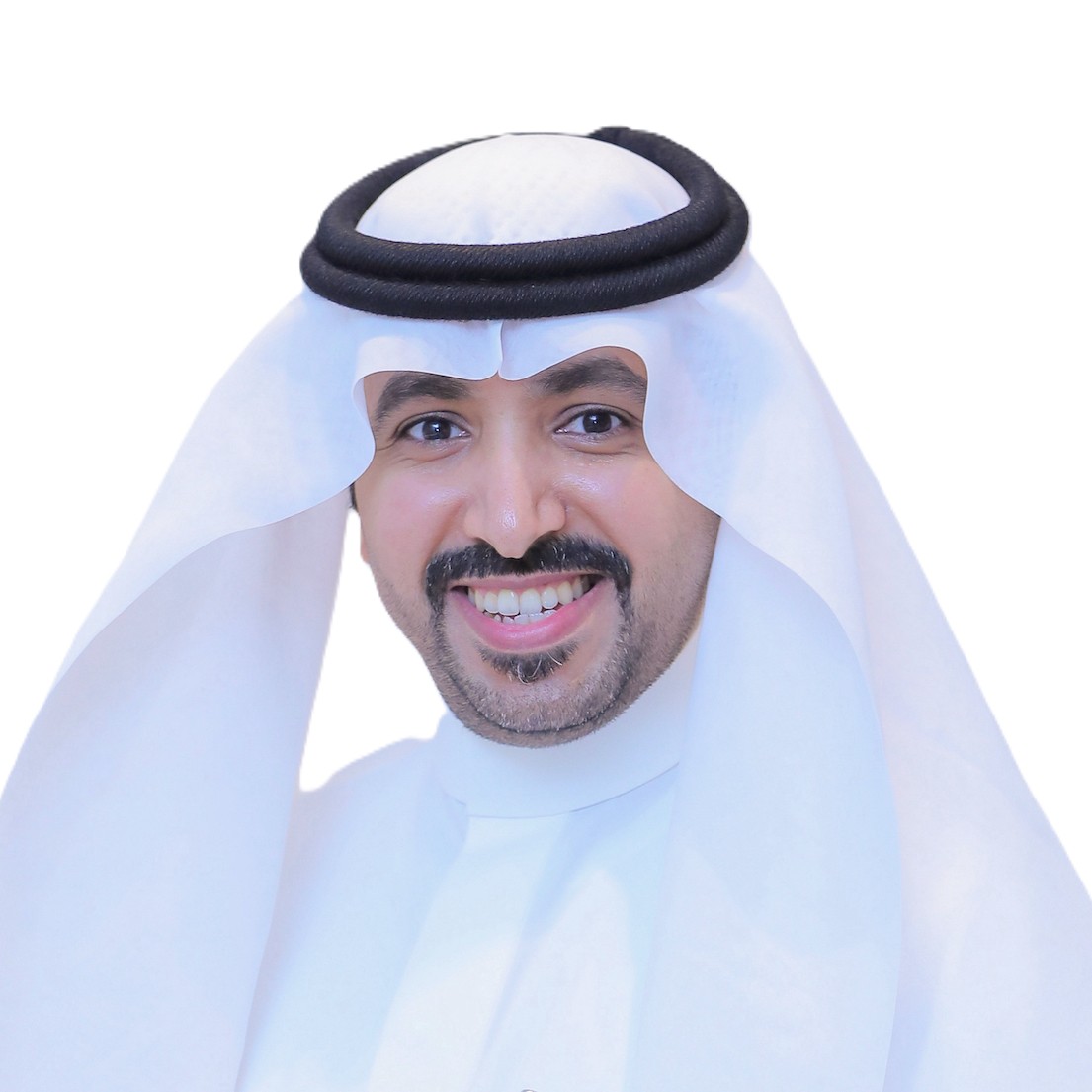
Associate Professor
King Saud University
Judge
Innovation Management and Governance Manager
National Institute for Health Research
Judge